Introducing your child to swimming is a wonderful way to ensure they have a safe and enjoyable relationship with water. By making the experience fun and gradual, you can help them build confidence and develop important life skills. Here are some tips to guide you in this exciting journey.
Tip 1: Start by Making Water Fun
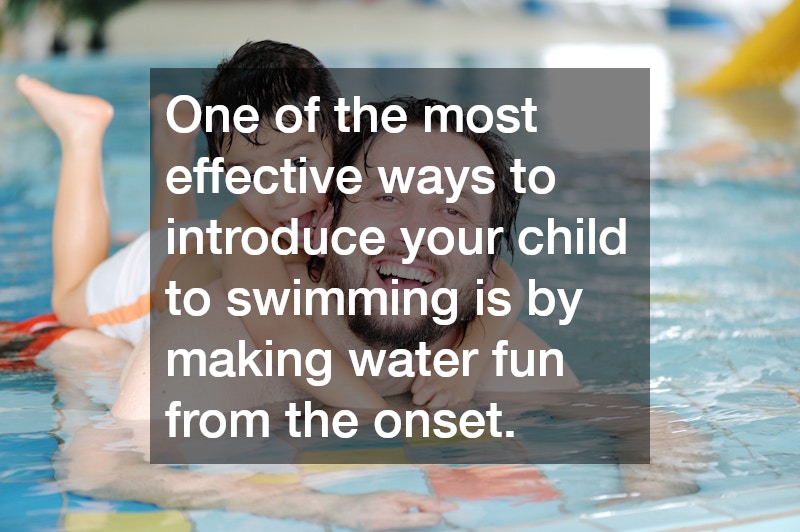
One of the most effective ways to introduce your child to swimming is by making water fun from the onset. Begin in a familiar environment, like a shallow home pool or a splash pad, where they can play with toys and splash around without any pressure.
Encouraging positive interactions with water outside of formal swimming lessons can help alleviate any anxieties they may have.
Engaging siblings or friends in water play can make the experience additionally enjoyable. Consider organizing playdates that focus on fun water activities, which can help your child see water as a source of entertainment rather than something to fear. The more laughter and enjoyment involved, the more likely your child will look forward to swimming sessions at a swimming summer camp.
It’s important to maintain a relaxed atmosphere. Avoid imposing too many rules early on when the primary goal is comfort and fun. Once your child associates water with a positive experience, they will be more receptive to learning how to swim. Remember, patience at this stage can set the foundation for a lifetime of aquatic enjoyment.
Tip 2: Gradual Introduction to Lessons
Once your child is comfortable with water, a structured approach to swimming lessons can begin. Start with short lessons to introduce basic skills such as floating, kicking, and breath control. It’s crucial to progress at a pace that is suited to your child’s individual comfort level and learning ability.
Finding a good instructor who is experienced with young children can significantly impact your child’s experience. They will know how to assess the child’s comfort in the water, tailor lessons accordingly, and help alleviate any fear or reluctance. Consider opting for lessons at a swimming summer camp, which not only provides professional instruction but also a fun and social environment.
Lessons should be consistent yet flexible, allowing for breaks if needed. Your child should never feel forced or pressured into progressing faster than they are comfortable with. Celebrate small achievements to build confidence and motivation, remembering that each child develops swimming skills at their own pace.
Tip 3: Understanding and Overcoming Fear of Water
Some children may have an innate fear of water, which needs to be addressed compassionately. Understanding the source of this fear can be the first step in helping them overcome it. It could stem from a previous bad experience or simply unfamiliarity with water environments.
Gently encouraging your child to express their fears will allow you to address them directly and empathetically. Using flotation devices for reassurance or staying close by as they play in shallow water can gradually reduce their anxiety. Building trust is essential as your child begins to navigate the water more independently.
Incorporating fun, educational activities, such as storytelling related to marine life or water safety, can further ease their apprehensions. A supportive and encouraging approach, particularly in a group setting like a swimming summer camp, can offer the extra boost of confidence they may need. Over time, with consistent exposure and positive reinforcement, these fears can be transformed into enthusiasm and eagerness to explore swimming further.
Tip 4: Encouraging Safety and Respect for Water
As your child becomes more comfortable in the water, it’s essential to instill a sense of water safety and respect. Teaching them to understand the importance of safety rules, such as not running around the pool and never swimming alone, lays the groundwork for responsible swimming behavior.
Introduce your child to the concept of being a “water buddy” who looks out for themselves and others, especially if participating in group activities. Such practices not only ensure safety but also promote camaraderie and team spirit, valuable traits they can carry beyond the pool. A swimming summer camp can help reinforce these concepts in an engaging setting.
Additionally, ensure that they understand the role of a lifeguard and to always follow their instructions. A guided tour or demonstration about lifeguard duties can be an exciting and educational experience. With time, these lessons will not only become second nature but will also prepare your child for a lifetime of safe and enjoyable water activities.
Tip 5: Keep Swimming Engaging and Fun
To keep your child’s interest in swimming alive, continuously introduce new and enjoyable aspects of the activity. Take them to different water environments like local pools, water parks, or beaches to explore various aspects of swimming. The variety will help them appreciate different water settings and keep them enthusiastic about learning new skills.
Participating in fun swimming games or water sports, like water polo or synchronized swimming routines, offers a playful method of developing their skills further. A swimming summer camp often provides a structured environment for these activities, introducing your child to potential new hobbies and friends along the way. Aim to celebrate their participation and not just their performance, fostering a healthy attitude towards swimming and sports in general.
Ensure that the experience remains enjoyable by allowing your child to set their limits and choose the aspects of swimming they wish to focus on. This involvement in decision-making can empower them and build a sense of ownership over their swimming journey. Above all, the time spent together in the water should be a joyous and bonding experience for both you and your child.